Clinic for Tuberculosis and Interstitial Lung Diseases


Organization and Capacities of the Clinic
The Clinic for Tuberculosis and Interstitial Lung Diseases is one of the specialized clinics of the Institute for Lung Diseases of Vojvodina and is engaged in the diagnosis, treatment, and monitoring of patients with tuberculosis, sarcoidosis, interstitial and fibrotic lung diseases, as well as pulmonary manifestations of systemic autoimmune and other diseases. The clinic consists of the following organizational units:
- Department of Tuberculosis: Prim. Dr. Sc. Med. Dušica Stanojev, Head of the Department; Prim. Dr. Sc. Med. Danijela Vukosav; Doc. Dr. Sc. Med. Jovan Javorac,
- Department of Interstitial Lung Diseases: Prof. Dr. Sc. Med. Svetlana Kašiković Lečić, Head of Department; Prim. Dr. Sc. Med. Kristina Tot Vereš; Spec. Dr. Bojana Mršić;
- Department of Sarcoidosis: Prim. Mr. Sc. Med. Svetlana Jovanović, Head of Department; Spec. Dr. Nevena Savić;
- Residents in Specialization: Dr. Med. Dejan Đekić; Dr. Med. Dragica Kovačević; Dr. Med. Emilija Vujičić
The clinic has 62 patient beds, organized in 17 patient rooms, of which 7 are six-bed and 10 are double-bed rooms. All patient rooms have private bathrooms, central oxygen supply, and air conditioning, ensuring appropriate conditions for the stay and treatment of patients.
Currently, the clinic employs eight specialist doctors, as well as two residents in internal medicine. The clinic’s operations also involve staff of various profiles, including: nursing technicians, auxiliary workers, and cleaning staff.
The clinic continuously manages a large number of hospitalized patients. (In 2023, 927 patients were treated, in 2024, 1153 patients were treated, while in 2025, 1183 patients were treated.
Activities of the Clinic
The primary activities of the clinic include the diagnosis and treatment of tuberculosis and other granulomatous diseases, as well as interstitial and fibrosing lung diseases.
In the field of interstitial diseases, idiopathic pulmonary fibrosis and other idiopathic interstitial pneumonias hold a special place, as well as various forms of progressive fibrosing interstitial lung diseases. A special group consists of interstitial diseases associated with systemic autoimmune and rheumatological diseases, where pulmonary fibrosis can represent a significant complication of the underlying disease.
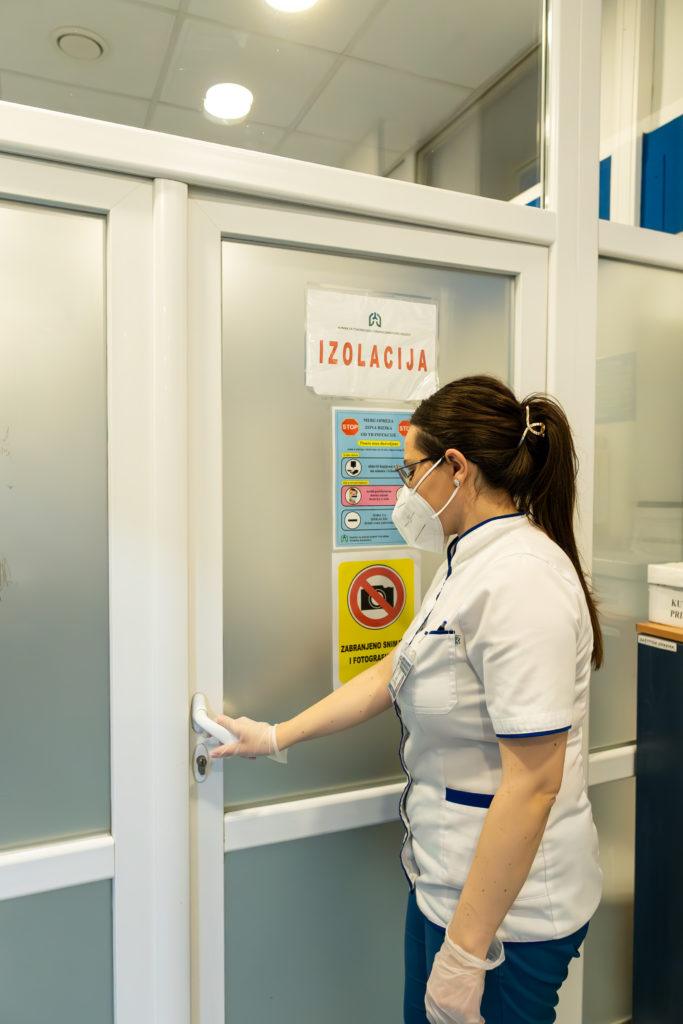
At the same time, tuberculosis remains one of the important areas of work at the Clinic. The Clinic has a long tradition in the diagnosis and treatment of tuberculosis and serves as an important center for the care of patients with complex forms of this disease. The physicians of the Clinic also participate in consultative work, professional education, and providing support to healthcare institutions that care for patients with tuberculosis in the territory of Vojvodina. Within the Clinic, there is a specially organized space for the isolation of patients with infectious pulmonary tuberculosis. This organization allows for the implementation of appropriate infection control measures and the safe management of patients with active tuberculosis. The Institute also offers modern methods for the diagnosis of tuberculous infection, including testing for latent tuberculous infection (Quantiferon TB-Test), in accordance with contemporary diagnostic recommendations.
In addition to tuberculosis, the Clinic is engaged in the diagnosis and treatment of sarcoidosis and other granulomatous diseases, as well as complex cases where it is necessary to differentiate between infectious, inflammatory, immunological, and malignant causes of pulmonary changes.
Commission for Granulomatous and Interstitial Lung Diseases
The Commission for Granulomatous and Interstitial Lung Diseases plays a special role in the work of the Clinic, representing the foundation of a multidisciplinary approach to the diagnosis and treatment of complex and rare lung diseases.
All specialist physicians of the Clinic participate in the work of the Commission, with the inclusion of experts from other specialties depending on the nature of the specific clinical problem. The multidisciplinary assessment allows for the integration of clinical, radiological, pathohistological, microbiological, immunological, and other relevant data and the making of decisions regarding further diagnosis and treatment.
The Commission reviews patients from the entire Vojvodina region, as well as complex cases from other parts of Serbia and the region. The clinic also collaborates with health centers from the Republic of Srpska and Montenegro, further confirming its regional consultative role.
Information for scheduling examinations and consultations
The Commission meets every Thursday, starting at 11 AM. To schedule an examination and consultation with the Commission for Granulomatous and Interstitial Lung Diseases, it is necessary to provide the appropriate medical documentation in advance.
With the referral or request for consultation, it is necessary to attach, when available:
- discharge summaries and reports on previous treatment;
- findings from specialist examinations;
- laboratory findings;
- findings from pulmonary function testing, including spirometry and other available pulmonary function tests;
- findings from radiological examinations of the chest, particularly CT scans of the lungs, with available images in electronic format;
- pathohistological and cytological findings, if performed;
- microbiological findings, including results of tests for tuberculosis when indicated;
- other relevant findings depending on the underlying disease and the reason for referral.
Appointment scheduling: 066/880-5732.
Scheduling hours: Weekdays from 11 AM to 1 PM, except Thursday when the Commission meets.
Note: For patients referred for consideration by the Commission, it is recommended that the documentation be as complete as possible to enable adequate multidisciplinary assessment and avoid unnecessary repetition of diagnostic procedures.
Day hospital and antifibrotic therapy.
Since 2020, the Day Hospital has been organized within the Clinic, further improving the care of patients with interstitial and fibrotic lung diseases.
The Day Hospital enables organized implementation and monitoring of antifibrotic therapy, along with regular clinical and functional controls and monitoring of treatment efficacy, tolerability, and safety.
Antifibrotic therapy today represents an important part of modern treatment for patients with idiopathic pulmonary fibrosis and certain other progressive fibrotic interstitial lung diseases. Timely recognition of the progression of pulmonary fibrosis and assessment of patients who may benefit from antifibrotic treatment is of particular importance.
An increasingly significant part of this field also involves the treatment of patients with interstitial and fibrotic lung changes in the context of systemic autoimmune and rheumatological diseases. In certain patients, despite treatment of the underlying disease, progression of pulmonary fibrosis may occur, necessitating a multidisciplinary assessment and consideration of antifibrotic therapy.
Antifibrotic Therapy Committee
Within the Clinic, an Antifibrotic Therapy Committee has been established, which meets once a month.
The Committee reviews patients with suspected progressive fibrotic phenotype or other indications for antifibrotic treatment and makes decisions based on a comprehensive assessment of the clinical course of the disease, functional parameters, radiological findings, and other relevant indicators.
The Commission is composed of specialists from various fields, ensuring a multidisciplinary approach to selecting appropriate patients for antifibrotic therapy, as well as planning their further monitoring.
Multidisciplinary Approach
The multidisciplinary approach is one of the fundamental principles of the Clinic’s work. The complexity of interstitial, granulomatous, and fibrotic lung diseases often requires simultaneous assessment of clinical, radiological, pathological, microbiological, and immunological findings.
Depending on the nature of the disease and the clinical problem, pulmonologists/pneumophthisiologists, radiologists, pathologists, immunologists, rheumatologists, and other specialists are involved in the diagnostic and treatment process.
This method of operation allows for an individualized approach to each patient and the making of therapeutic decisions based on the consolidation of opinions from experts of various specialties.
Professional and Scientific Work
The physicians of the Clinic continuously participate in professional and scientific research in the fields of tuberculosis, granulomatous diseases, interstitial and fibrotic lung diseases.
Currently, two instructors are working at the Clinic, engaged in the Department of Internal Medicine at the Faculty of Medicine, University of Novi Sad, who participate in the educational process and training of students and physicians.
The physicians of the Clinic actively participate in continuing medical education, professional meetings, seminars, and congresses both domestically and internationally, through attendance as well as organizing professional activities, lectures, and presenting the results of professional and scientific research.
The educational role of the Clinic is also of special significance in relation to healthcare institutions in the region, through consultative work, professional meetings, and other forms of knowledge and experience transfer.
Continuous improvement of operations
The development of the Clinic follows contemporary trends in pulmonology, with a special emphasis on early recognition of disease progression, multidisciplinary diagnostics, individualized therapy, and the application of modern therapeutic options.
The combination of many years of experience in the field of tuberculosis and granulomatous diseases, along with modern expertise in the diagnosis and treatment of interstitial and fibrotic lung diseases, enables the Clinic to provide comprehensive and continuous healthcare for patients with complex and rare pulmonary disorders.